
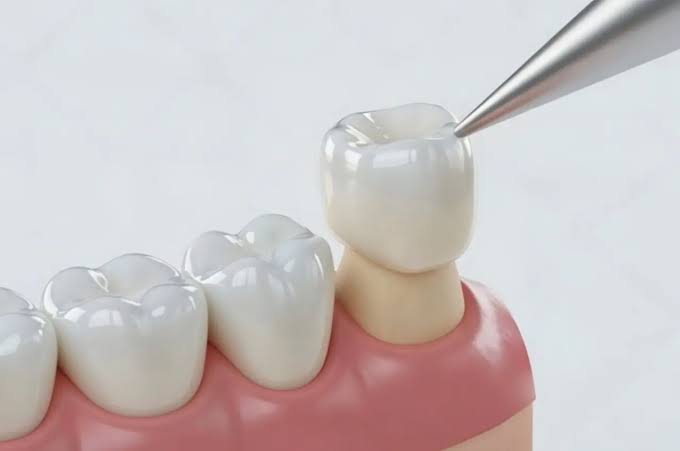
A zirconia crown is a fixed restoration made from zirconia-based ceramic that surrounds the outer surface of a damaged tooth or a tooth whose appearance is intended to be changed. It is planned by assessing the current condition of the tooth, the surrounding gum tissues and the patient’s bite.
Every tooth and every patient has different needs. Therefore, the decision to use a zirconia crown should not be based solely on aesthetic expectations. The amount of lost tooth structure, existing fillings, chewing forces and overall oral health should all be considered together.
What is a zirconia crown?
Zirconia is a ceramic material used in dentistry to produce crown and bridge restorations. Although it is sometimes referred to as a “zirconium tooth”, the treatment does not involve completely replacing the natural tooth. A custom-made crown produced in a dental laboratory is placed over the prepared natural tooth.
Because zirconia restorations can be produced in tooth-coloured shades and contain no metal, they may be considered for both front and back teeth. The type, thickness, colour and design of the zirconia used may vary according to the area being treated.
When may a zirconia crown be considered?
A zirconia crown may be considered as one of the treatment options in the following situations:
- Extensive loss of tooth structure
- A need to support tooth structure weakened by large fillings
- Restoration of fractured or cracked teeth
- Protection of certain teeth that have undergone root canal treatment
- Modification of the shape, size or colour of teeth
- Replacement of missing teeth with a bridge restoration
- Replacement of existing crowns following a clinical assessment
The presence of any of these conditions does not necessarily mean that a zirconia crown will be used. A filling, veneer, a crown made from a different material or another treatment option may be more appropriate. The final plan is developed following an oral examination and any necessary imaging.
How is a zirconia crown planned?
Before treatment, the teeth, gums and bite are assessed. If tooth decay, gum problems or a need for root canal treatment is identified, these conditions may need to be addressed first.
A tooth considered suitable for a crown is prepared to create sufficient space for the restoration. A record of the teeth is then taken using either a conventional impression or a digital scan. Using this information, the crown is custom-made in a dental laboratory.
A temporary crown may be used while the laboratory process is completed. Once prepared, the zirconia crown is checked at the clinic for fit, colour, shape and bite. Following any necessary adjustments, the restoration is fixed to the tooth using an appropriate dental material.
The stages of treatment and the number of appointments required may vary according to the number of teeth being treated and the patient’s oral health.
What are the characteristics of zirconia crowns?
Zirconia crowns can be produced in tooth-coloured shades and planned to match the surrounding teeth. The strength of the material also allows it to be considered for areas exposed to chewing forces.
However, no single type of crown is the most appropriate option for every patient or every tooth. Aesthetic expectations, the amount of remaining tooth structure, teeth grinding or clenching habits, the bite and the area being treated should all be considered when selecting the material.
Does the tooth need to be reduced for a zirconia crown?
A certain amount of natural tooth structure must be prepared so that the crown can be placed over the tooth. The extent of this preparation depends on the current condition of the tooth, the design of the restoration and the material being used.
Because this process creates an irreversible change to the natural tooth structure, the decision to proceed should be made following a detailed examination. The suitability of alternative treatments that may require less preparation of the tooth should also be assessed.
How should zirconia crowns be cared for?
Zirconia crowns themselves do not decay. However, decay may still develop in the natural tooth structure beneath or around the edges of the crown. Inadequate oral hygiene may also affect the surrounding gum tissues.
To care for crowns:
- Brush the teeth regularly.
- Clean between the teeth using dental floss or an appropriate interdental brush.
- Use the recommended specialist cleaning aids beneath bridge restorations.
- Avoid using the teeth to break or bite extremely hard objects.
- Inform the dentist if you grind or clench your teeth.
- Attend regular dental check-ups.
For patients who grind or clench their teeth, a night guard may be recommended following a clinical assessment.
How long do zirconia crowns last?
It is not possible to provide a fixed lifespan that applies to every patient. The longevity of a crown depends on oral hygiene, the condition of the natural tooth, biting forces, teeth grinding or clenching habits, the design of the crown and attendance at regular check-ups.
A dentist should be consulted if movement, fracture, sensitivity, pain, an unpleasant odour or gum bleeding is noticed around the crown. Even if the crown appears intact from the outside, regular assessment of the natural tooth and surrounding tissues remains important.
Why is an individual assessment important?
Planning a zirconia crown involves considering not only the colour and shape of the teeth but also overall oral health. Gum health, the amount of remaining tooth structure, jaw relationships and the patient’s expectations may all affect the treatment outcome.
The material and treatment method should therefore be selected individually after the clinical examination and any necessary radiographic assessments have been completed.
This content is provided for general information only and does not replace a diagnosis or treatment recommendation. The appropriate treatment option can only be determined following an examination by a dentist.